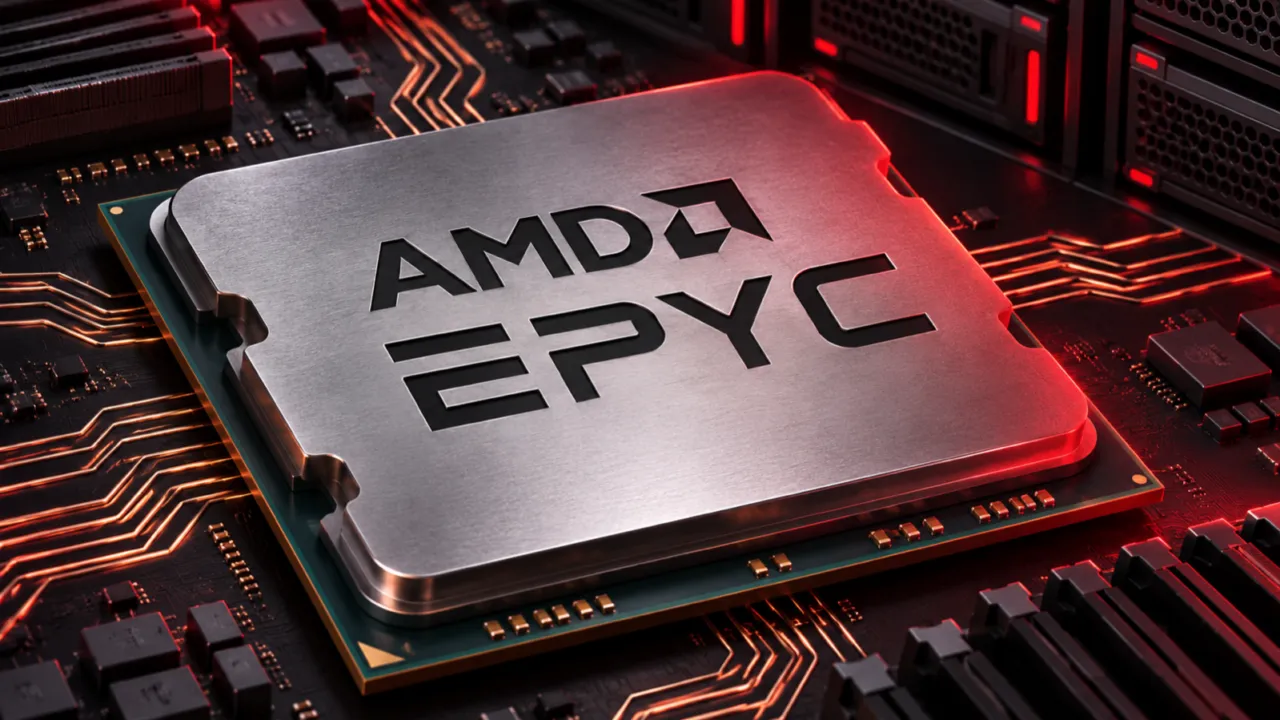
AMD said its sixth-generation AMD EPYC server processors became generally available on November 10, 2026. The US chipmaker said systems using the new Zen 6 design and SP7 platform were already shipping from server vendors.
Red Hat also said its Enterprise Linux 9.8 and 10.2 releases support the EPYC 9006 series. This lets firms use the chips with a Linux version they already run, Red Hat says.
AMD EPYC serves work around AI models
AMD says the range covers business software, cloud services and artificial intelligence (AI). Its EPYC 9996 has 256 cores, according to the company’s notes. AMD also offers versions suited to different jobs around an AI model.
Red Hat explains that an AI agent’s request can involve data lookups, tool calls and short programs between model steps. These tasks still need a supported operating system. Thus, the software around the model matters too.
Intel’s chip guide explains how the work splits up. A central processing unit (CPU) runs operating-system commands and varied tasks, including databases. A graphics processing unit (GPU) uses many small cores to run parts of a task at the same time, including intensive AI work.
For example, earlier coverage explains AMD’s role as the host processor in Google’s TPU 8tx system. That system uses fifth-generation EPYC chips, according to AMD, rather than the new generation.
How to read the performance claims
Claims about AMD EPYC and rival chips need care. AMD’s notes mix public test results with its own estimates for Nvidia Vera. An estimate is not an independent test of the rival chip.
The benchmark body SPEC explains that its SPECrate tests measure throughput: how much work a system does over time. In contrast, SPECspeed measures how long a task takes. Thus, a higher rate score does not mean each task takes less time by the same amount.
SPEC also says its tests depend on memory and the tools used to build code, not just the processor. It says buyers should test their own apps if they can. Those tests show how well a system fits the work a firm needs to do.
Software support and cloud rollout
Red Hat says customers can stay on Enterprise Linux 9.8 or move to 10.2 with a supported upgrade. However, it tells buyers to check approved systems with their hardware supplier and in its catalog.
The launch follows AMD’s latest earnings report on data center growth. AMD says Microsoft Azure and Oracle Cloud Infrastructure services using the new chips will become generally available soon.
Sources: AMD launch announcement, Red Hat, Intel processor guide, SPEC benchmark guide, AMD host processors