Afghan women forced out of Iran are trying to earn a living again in Afghanistan. One used cash aid to buy a sewing machine, while a trained midwife told UN News she was still looking for paid work in Herat.
The UN refugee agency (UNHCR) counted 663,200 returns from Iran in 2026 through October 31. That total included 564,800 deportations. Meanwhile, at a November 20 briefing, UN Women said Taliban authorities bar women from most workplaces and many public spaces.
Barriers to work for Afghan women
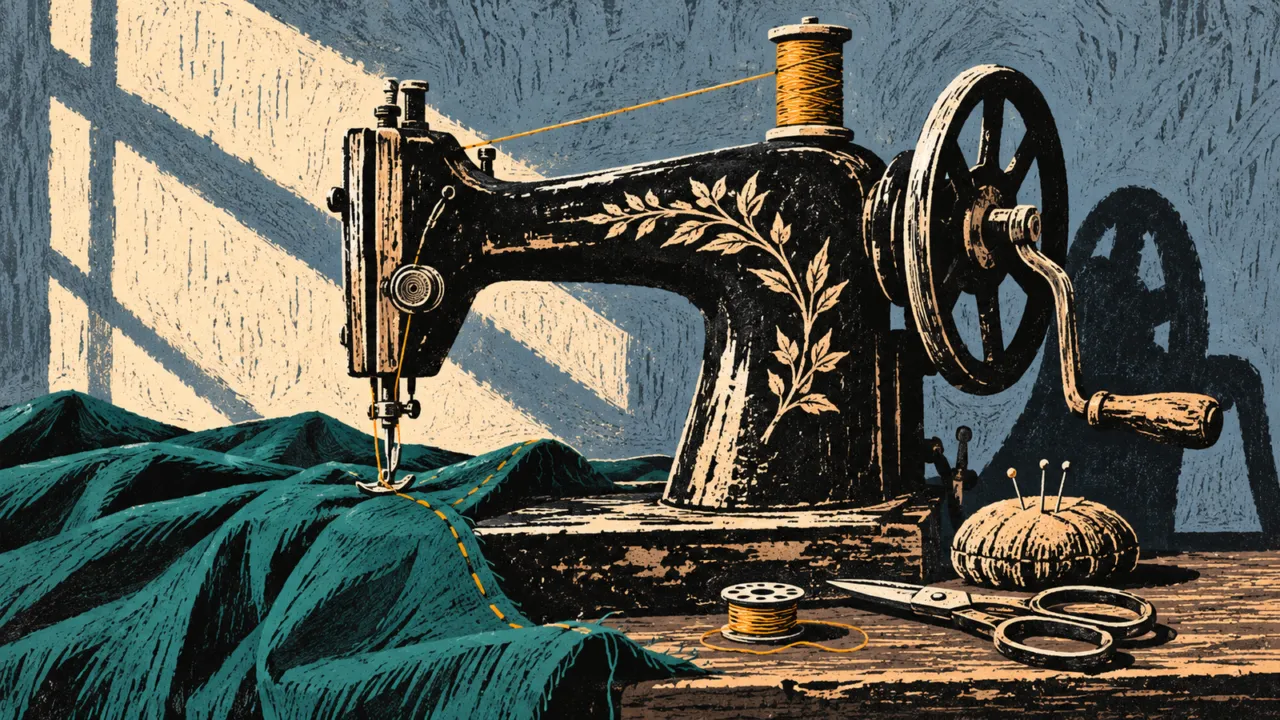
Homa told UN News she cleaned apartments and sold recyclable plastic in Iran. After her family’s deportation, she cleaned homes and took sewing orders when she could. She also used cash aid to buy a sewing machine, rice and oil. As a result, she could earn money at home while recovering from surgery.
Zahra trained as a midwife in Afghanistan. Later, she spent five years caring for an older woman in Iran. However, she told UN News she could find no paid work after returning to Herat. UN News said she had volunteered in clinics.
At the UN briefing, UN Women said a ban on training women for health jobs made care harder to reach. In many areas, women also face limits on care from male health workers. Beyond health care, UN Women and the research group Samuel Hall noted other curbs on work. They said movement controls and rules requiring a male guardian, or mahram, deter women from workplaces and markets. In addition, 82% of employed returnee women in the study worked from home. Their jobs, such as tailoring, were generally low-paid.
In November 2025, UN Women and Samuel Hall surveyed 582 Afghan returnee women by phone. Those women lived in selected areas, including Herat, Kabul and Nangarhar provinces. Only about 17% of those surveyed were working. Moreover, among women who had worked in Iran, 77% had no job after return. The study covered women who came back from Iran or Pakistan through deportation and other means. Because it used an existing UN Women phone list, it may have missed women with little phone access or in strict homes.
What the border figures count
Returns from Iran rose sharply after March 20, 2025, when headcount slips for an estimated two million Afghans expired, UNHCR said. Iran then began a return scheme requiring slip holders to be assessed to stay. UNHCR counts deportations as part of total returns. Through October 31, 2026, deportations made up 85.2% of recorded returns from Iran and 9.8% of those from Pakistan.
| Country of departure | All recorded returns (people) | Recorded deportations (people) | Deportations as share of returns |
|---|---|---|---|
| Iran | 663,200 | 564,800 | 85.2% |
| Pakistan | 724,600 | 71,300 | 9.8% |
Source: Likiweeks calculation based on UNHCR reports
Data as of: 2026-10-31
Recorded deportations are included in total returns. Shares divide deportations by total returns for each country through October 31, 2026.
These counts cover Afghan women, men and children. They include assisted voluntary returns and other returns, but leave out passport holders. UNHCR said women and children made up 77% of the returnees from Iran it assisted. They also made up 38% of all returns from Iran since January 2025. Separately, a UN report estimated 72,800 returnees from Iran planned to head to Herat province from January to September 2026. However, that map figure is extrapolated from border-aid records covering 34% of returnees from Iran.
What cash aid can cover
Homa told UN News the sewing machine gave her a way to help support her family. Even with that income, however, she said she still needed housing and food for winter.
One UNHCR grant pays 11,500 afghanis, or about $176, once per eligible household returning from Iran. The sum does not vary by family size. Eligible households can get 2,300 afghanis more, or about $35, if a member has a disability or a woman heads the home. Those dollar sums use the UN rate of 65.27 afghanis per dollar, effective November 15, 2026.
Before paying the grant on a prepaid card, UNHCR requires returnees to register. For example, people with a valid UNHCR voluntary return form can qualify. Returnees without documents, including Afghan women, can also qualify if the agency finds they face heightened risks.
UNHCR official Charlie Goodlake told UN News that such support aims to meet immediate needs and help women build livelihoods. In addition, UN News reported that the agency runs more than 150 vocational training projects across Afghanistan. It added that UNHCR keeps looking for ways to help women earn money.
Sources: UNHCR Iran return report, UNHCR Pakistan return report, UN returnee overview, UN briefing, UN Women and Samuel Hall, UNHCR cash guidance, UN Treasury exchange rates, UN News