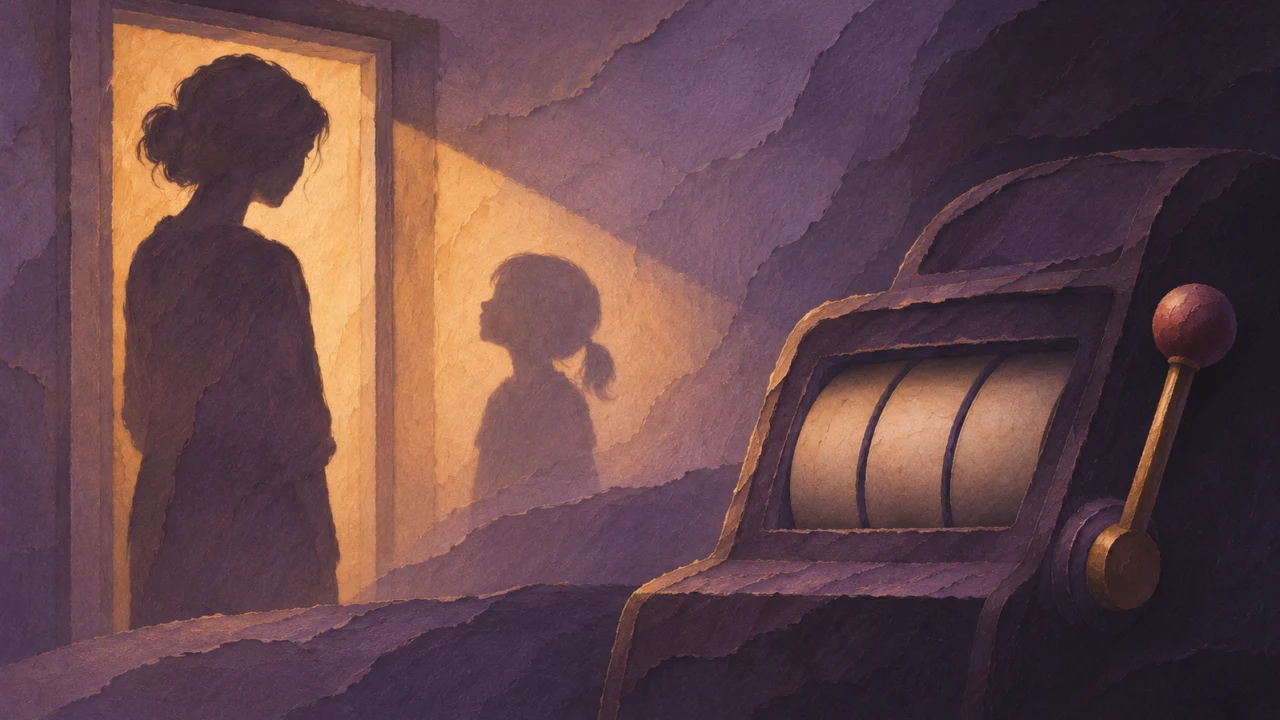
A University of Bristol-led study announced on November 4, 2026 links childhood trauma to later gambling harms. The clearest pattern involved childhood sexual abuse, but the authors urge caution.
Bristol says a hard childhood does not mean someone will go on to have gambling problems. The study finds links with later harm. It does not show that childhood trauma is the cause.
How the study tracked childhood trauma
The peer-reviewed paper appears in Addictive Behaviors Reports. It draws on 3,794 young adults in a UK birth cohort, a group followed as they grow up. Bristol calls this group Children of the 90s.
The team studied 10 types of adverse childhood experiences. It then looked at gambling at ages 17, 20 and 24. These include abuse and problems in the family, Bristol says. The team used records from childhood. This meant it did not rely only on adults looking back at their past.
The paper says the team took social and economic factors into account, along with other background details. But the results left room for doubt about the size of the links. The authors also found weak evidence that more types of childhood trauma went with greater gambling risk.
What the gambling scores mean
The study grouped together people scoring at least three on the Problem Gambling Severity Index. So it includes both moderate-risk and problem gambling. It does not count only the most severe cases.
The Gambling Commission says the index asks about nine signs of problems or harmful effects. Scores from three to seven mean moderate risk. Scores of eight or more mean problem gambling. People in this group have faced harmful effects and may have lost control.
The study therefore groups people whose level of harm may differ. The authors say larger studies are needed to test these possible links.
What this means for support
The National Institute for Health and Care Excellence, or NICE, already takes a broad view of gambling care. Its guidance says services should look at childhood and family history. It also calls for checks on mental health, harm to finances and why the person gambles.
NICE says people facing gambling harms should know they can get help and that recovery is possible. It advises offering help through health staff or gambling support services, based on each person’s needs.
The Bristol team plans to bring studies together to get larger samples. Bristol says the team also wants to explore how childhood sexual abuse might link to later gambling harm.
Sources: Addictive Behaviors Reports, Bristol research record, Bristol, Gambling Commission, NICE