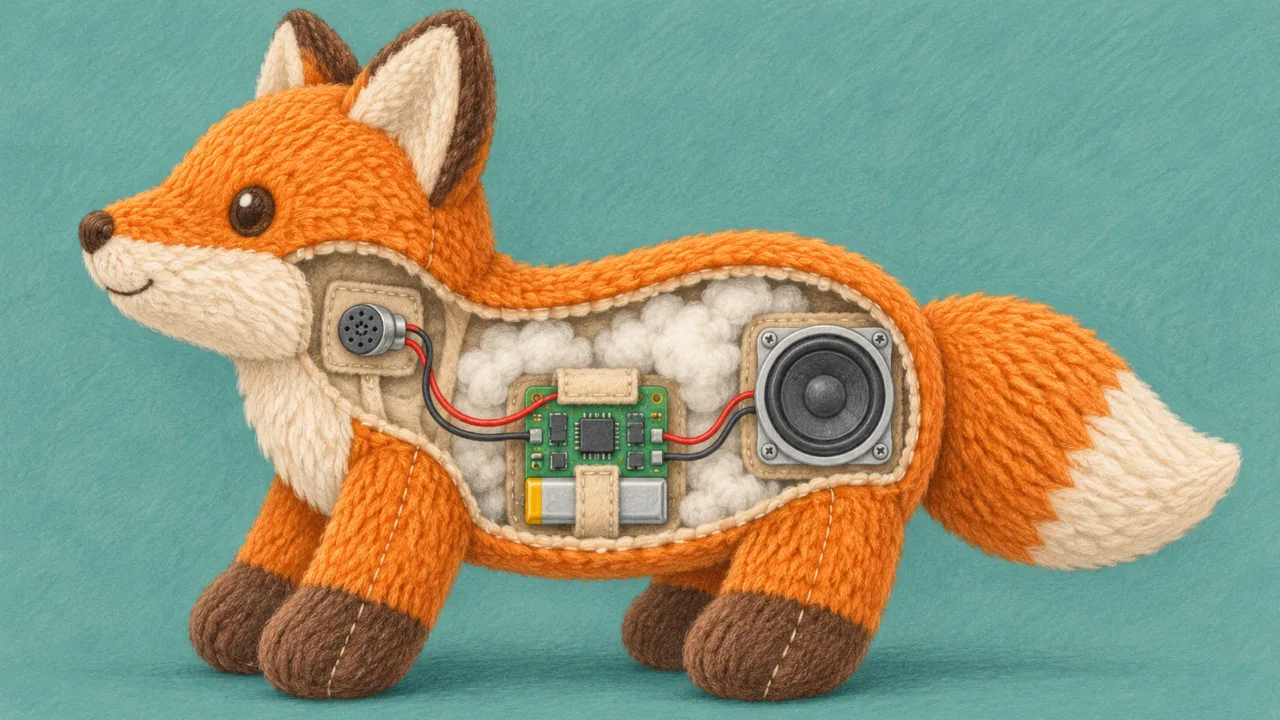
New York Gov. Kathy Hochul signed a five-year ban on sales of artificial intelligence (AI) chatbot toys on November 24, 2026. Stores can still sell them through the 2026 holiday season because the law, S.9408A, takes effect on February 22, 2027.
Hochul’s office said the ban responds to consumer watchdog tests of toys marketed to children ages 3 to 12. Those tests found toys discussing sexually explicit topics, telling children where to find matches and acting upset when a child tried to leave, the office said. The tests also flagged toys with few or no parental controls.
State Sen. Andrew Gounardes sponsored S.9408A in the Senate, while Assemblymember Rebecca Kassay carried the Assembly companion bill, A.11144B. Both lawmakers said the five-year pause gives New York time to study how the toys affect children and build safety rules.
New York follows California, which enacted Senate Bill 867 on September 10, 2026. That law bars sales of toys with AI companion chatbots until January 1, 2031. Families in New York can keep and use toys they already own. Hochul urged holiday shoppers to check what data a toy collects and whether it can hold an open-ended conversation.
How the law defines AI chatbot toys
The law sets two tests for covered products. First, the maker must design or intend the toy for children age 12 or younger to play with. Age labels on the box and how the company advertises the toy both help show who it is for.
Second, the toy must include a built-in AI companion that mimics a lasting human relationship. Under New York law, such a system remembers past talks and preferences to keep a user engaged. It also asks unprompted questions about feelings and keeps up a conversation about personal matters.
During the June 2, 2026, Assembly debate, Assemblymember Mary Beth Walsh asked about a learning toy that uses self-contained cartridges, such as math facts. Kassay confirmed that fixed-content learning cartridges remain allowed. A learning toy that builds on past talks can still fall under the ban if it meets the companion test.
Because S.9408A borrows New York’s broader 2025 AI companion definition in General Business Law section 1700, the law keeps exceptions meant for other tools. They exclude systems designed and marketed mainly to boost efficiency or give research or technical help. Tools a business uses solely for customer service or internal work stay outside the ban as well.
What changes for toy sellers in February
Once the ban starts, section 1801 bars any person or business in New York from making, exchanging, distributing or selling covered AI chatbot toys. It also bars holding them for sale. Stores cannot keep offering covered stock after February 22, 2027, even if they bought those toys months earlier.
Enforcement targets a narrower group than the sales ban. While section 1801 applies to stores and distributors, section 1802 directs legal action at an operator. The state attorney general can ask a court to stop an operator and seek fines of up to $15,000 a day per violation. The law defines an operator as someone who runs or provides the AI companion in the toy.
The Toy Association, an industry trade group, said it opposed moratoriums and backed a study of AI chatbot toys instead. The group also said it is working on safety guidelines for AI-enabled toys.
Under the law Hochul signed, the five-year clock begins when the sales ban takes effect. The ban is set to expire on February 22, 2032.
Sources: New York Senate bill text, New York Senate bill record, New York Assembly bill record, New York Senate companion definition, U.S. Code via Cornell Law School, California Legislature SB 867, New York Governor’s Office, New York Assembly debate, Toy Association