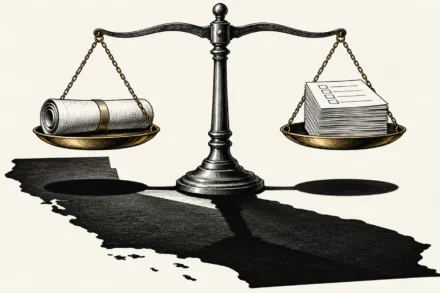
A federal judge threw out a lawsuit over Delaware voter data on November 10, 2026. In his written ruling, Judge Richard G. Andrews rejected the US Justice Department’s demand for the full state voter list.
The court said the demand went beyond Title III of the Civil Rights Act of 1960. It dismissed this case. It did not bar all federal access to voter records across the country.
Why the Delaware voter data demand failed
Andrews said the law treats two kinds of records in different ways. One covers records sent to state election staff. The other covers a list that staff create themselves. He put Delaware’s voter list in the second group. Thus, it fell outside the law’s demand power.
The opinion says the department sought all fields, including names, full birth dates and home addresses. It also sought driver’s license numbers or the last four digits of Social Security numbers. The department said it needed both sign-up forms and final voter rolls. It argued that these would help it check if states obeyed federal voting laws.
WHYY reported that the department said the data was needed to ensure election integrity. Delaware Attorney General Kathy Jennings told the outlet that the request was illegal and amounted to federal overreach.
Public records and private fields
But Delaware voter data is not all private. State law already lets the public see some fields. Section 304 of the state’s election code lists names, addresses, party ties, voting history, legislative districts and years of birth. That public list does not include full birth dates or driver’s license numbers.
Section 1305 separately excludes Social Security numbers, birth dates, driver’s license numbers and phone numbers from public inspection of registration records. So access to basic voter lists is not the same as access to all the fields sought in this case.
WHYY reported that nonprofit groups joined the case over privacy concerns, including risks to domestic violence victims and immigrant communities. But these were concerns raised in court. The ruling did not find that federal staff had misused the state’s data.
Andrews did not resolve the parties’ separate privacy-law arguments. He granted the motions to dismiss. As a result, he said there was no need to rule on the request to force release of the records.
Sources: US District Court, Delaware Code: voter lists, Delaware Code: public inspection, Delaware Department of Justice, WHYY