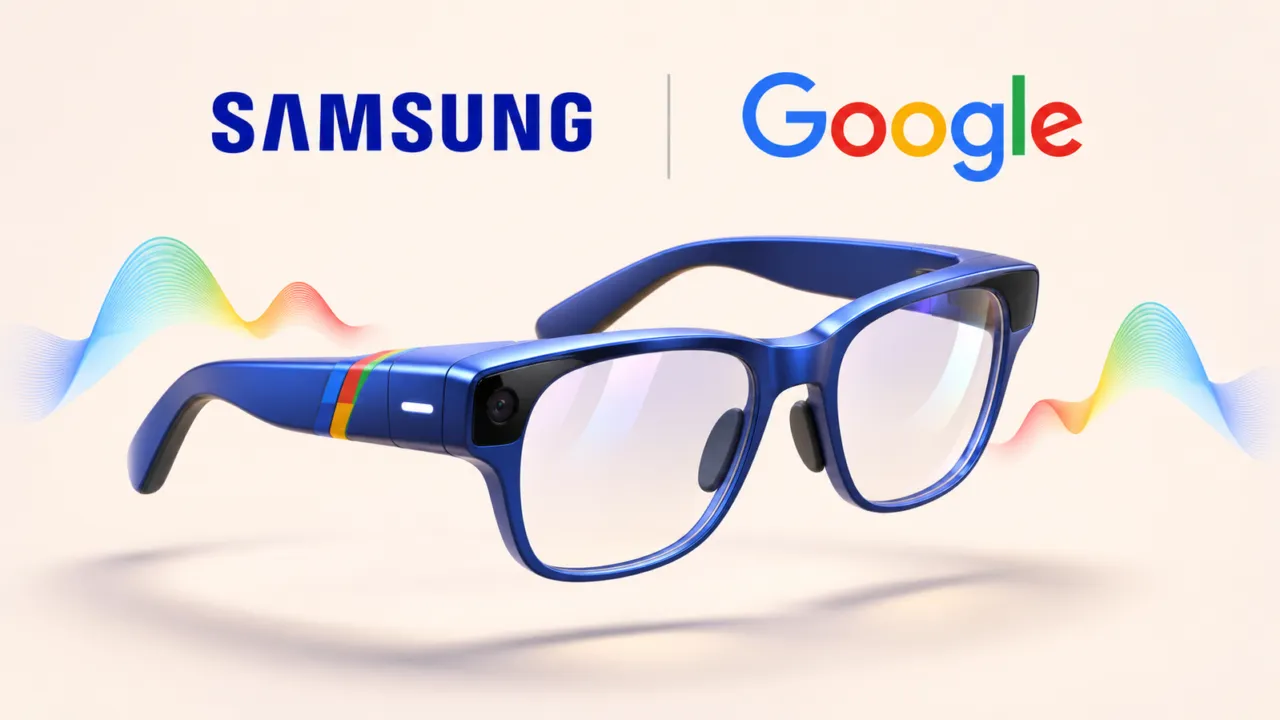
Samsung and Google opened preorders for smart glasses with Gemini on November 12, 2026. The launch is set for December 10. Samsung said the Warby Parker collection will reach the United States, while Gentle Monster frames will also launch in South Korea.
Google says the glasses can give spoken directions, translate speech and answer questions about what the wearer sees. They work with supported phones, including some Galaxy, Pixel and iPhone models.
Smart glasses prices and phone support
Samsung lists US prices from $395 for Warby Parker and $449 to $489 for Gentle Monster. The two brands offer 30 frame and lens options. The glasses weigh around 41 grams, depending on the model.
Samsung’s hardware includes a 12-megapixel camera, open-ear speakers and four microphones. The company lists up to nine hours per charge, but actual battery life varies with use and settings.
Google’s launch notes list support for Pixel 7 phones and later models. Those phones need the Android 17 September 2026 update or newer. The list also includes some Galaxy phones with One UI 9.0 or newer, plus iPhone 13 Pro and later. However, Google says Guided Vision and Aira Explorer require a compatible Android phone at launch.
Visual help has limits
Google says Guided Vision can describe scenes aloud and help people read small print or find items. The smart glasses also support Aira Explorer. This service sends their camera feed to a trained person who describes what they see.
The AI feature builds on Guided Vision for Android, which Google launched on October 1. Its earlier announcement described spoken prompts that help users aim a camera, alongside tasks such as reading food labels. More than 1,000 people in Aira’s tester network helped refine the model, according to Google.
But Google’s guidance draws a clear boundary: Guided Vision can make mistakes. It cannot replace a white cane or other mobility aid. Google does not intend it to detect obstacles. Reading a label and guiding someone safely through a street are therefore different tasks under that guidance.
Camera images and chat history follow different rules
Google sets different privacy rules for camera images sent to Gemini and saved chats. The company says it does not save those images in Gemini History, train AI on them or use them to target ads. However, it does save chats in that history. Users can read or delete them and choose whether their text helps train AI models.
Google says it saves photos or videos in the gallery when users ask it to take them. An outer light signals this use of the camera. If someone covers it, sensors should stop the camera from taking photos or videos. Users can also switch the smart glasses off and wear them as ordinary frames.
Google says in-store and online sales begin December 10. Samsung plans hands-on demonstrations at selected retail locations from the same date.
Sources: Samsung, Google launch details, Google Guided Vision, Google privacy