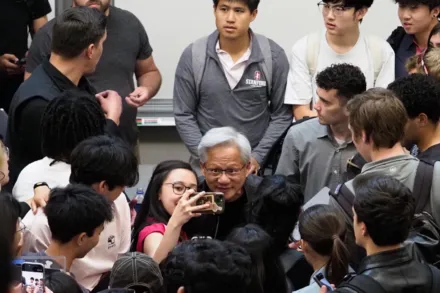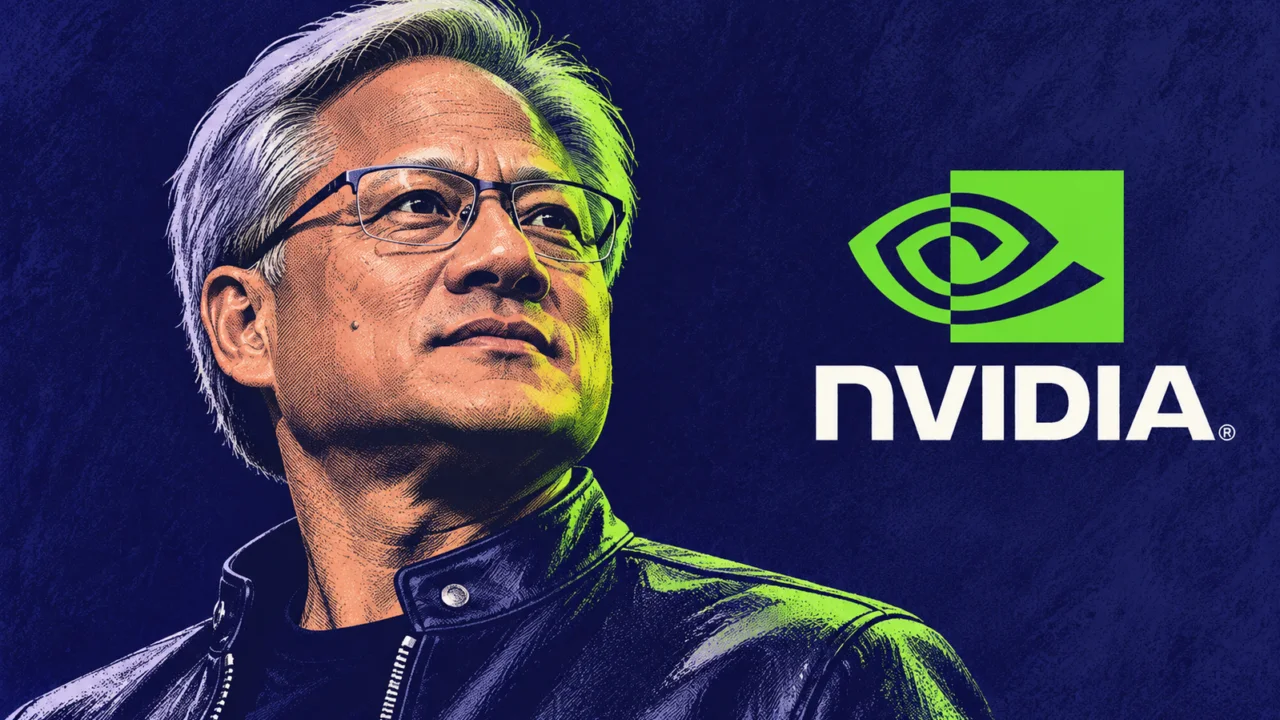
Jensen Huang returns as Nvidia’s president, CEO and a board member after directors voted unanimously on November 22, 2026, to reverse his exit. The move came 11 days after he stepped down.
Nvidia made the news public on November 23, reversing a plan board chair Harvey C. Jones laid out to investors six days earlier. Before bringing Huang back, directors met with him and heard from senior US officials. Still, the board’s own probe into reports that a foreign spy service targeted him remains open.
How Trump pressed for Huang’s return
Nvidia said directors met several times with Huang and were satisfied with his candor and his ability to lead the firm. The board also took input from senior US officials. Based on that input, directors said they were confident Huang’s return posed no risk to national security.
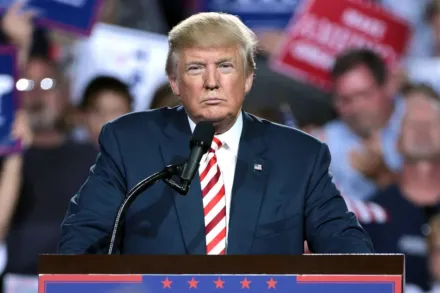
President Donald Trump had urged the board on November 22 to bring Huang back. In a November 23 CNBC phone interview, Trump said he spoke directly and indirectly with directors and got them to rehire Huang. He spoke with Huang on the night of November 22 and said his team gave Nvidia assurances on national security.
In a Truth Social post that morning, Trump said the US attorney general, a post held by Todd Blanche, confirmed the government had no proof Huang broke the law. Trump also urged Nvidia to keep checking its export controls. Nvidia laid out why directors voted to bring him back, but gave no probe findings and said it would keep working with US officials.
Lawmakers from both parties pushed back on November 23. Sen. Elizabeth Warren, the top Democrat on the Senate Banking Committee, called the decision “reckless.” She said Huang, Nvidia leaders and directors still owed Congress answers on export controls. Utah Republican Sen. John Curtis asked which US officials advised the board and why it saw no risk. Nebraska Republican Sen. Pete Ricketts said Huang’s conduct did not support bringing him back.
Why Huang stepped down
The board announced its probe on November 8, saying outside directors would work with independent lawyers to look into reports that a foreign spy service targeted Huang. At first, the board publicly backed him. Directors said they had no reason to think anyone had breached national security or Nvidia’s secrets.
In a note to staff that day, Huang said he had been unfaithful to his wife and apologized to his family and team. He vowed to help with the board’s probe, though he named no one else in the email.
The reports centered on Alice Huang, who had worked at Singapore cloud firm Megaspeed. The New York Times reported in October 2026 that US spy agencies suspected she worked for China, according to Reuters. China’s Foreign Ministry denied on November 9 that she was a spy. On November 12, Blanche said the Justice Department had not settled that question, Reuters reported.
What the board knew before Huang left
Other reports looked at Huang’s conduct at work and what he told senior staff. The New York Times cited five people who worked at Nvidia in reporting an affair with Kimberly Powell, a health care vice president who reported to Huang, according to Reuters. The board made no findings on those reports in its filings.
Reuters also reviewed notes Huang sent in October 2026 to top lawyer Tim Teter and marketing chief Alison Wagonfeld. In those messages, he described his ties to Alice Huang as routine contacts with a customer. Huang’s spokesman and Nvidia declined to comment to Reuters.
A US Securities and Exchange Commission (SEC) filing shows the board took Huang’s resignation as president, chief executive and director effective November 11. Nvidia announced his exit on November 12 and said it would look at candidates inside and outside the firm.
How Colette Kress ran Nvidia in the interim
Colette Kress, Nvidia’s finance chief since September 2013, stepped in as acting CEO while keeping her roles as executive vice president and CFO. Directors also named Jones, a board member since 1993, as Nvidia’s first chair.
On November 17, Kress presented Nvidia’s results for its third fiscal quarter, which ended October 25 before Huang left. Sales hit $115.8 billion, up from $57.0 billion a year earlier, with data centers bringing in $107.6 billion.
Kress told investors that Nvidia had stopped shipping licensed Hopper data center products to China. Those sales brought in $2.4 billion in the quarter. For the next quarter, Nvidia forecast sales of $130 billion, give or take 3%, assuming no data center computing sales to China.
Jones joined the call to explain why the board accepted Huang’s exit. He said Huang chose to step down after directors learned of conduct that fell short of firm standards. The board had accepted his exit in a unanimous vote, hired search firm Heidrick & Struggles, and had no plans to bring him back, Jones said.
The five days before Huang’s return
Calls to bring Huang back were already building. On November 17, Huang said he would return if the board felt it was best for shareholders and staff, Reuters reported. Current and former staff, investors and tech chiefs, including Elon Musk, backed a public drive urging Nvidia to bring him back, according to the Associated Press.
Inside Nvidia, Jones spoke to staff on November 18. Wired reviewed his remarks and spoke with two people who knew about the board’s talks. Directors had pressed Huang about Alice Huang and doubted whether they could trust his answers, Wired reported. His spokesman told the magazine that leaving was his own choice.
Four days later, directors reversed course and voted to bring Huang back. Nvidia shared the news before US stock markets opened on November 23 without saying what Huang told the board or which US officials advised it. Nvidia shares opened at $167.08 on Nasdaq, up 33.1% from the November 20 close of $125.53, according to Investing.com market data.
Jensen Huang returns to a board with new oversight
Huang got his board seat back along with his top titles, while Jones kept the chair and Kress stayed on as CFO and executive vice president. Two groups of outside directors now carry distinct oversight roles.
Nvidia gave no end date for the outside directors reviewing the reports about Huang, and he has vowed to cooperate. Alongside that probe, a standing board panel formed on November 17 oversees broader trade and security risks.
Director Suzanne Nora Johnson chairs that panel, joined by Stephen C. Neal and John O. Dabiri. They oversee national security rules and export controls, which set what goods and tech firms may sell abroad. The panel meets at least once a quarter with managers and in private. When it was formed, Nvidia’s trade and security teams reported to both the panel and Kress. The firm is also hiring its first chief compliance officer.
| Person or group | Assignment | Status on November 23 |
|---|---|---|
| Independent directors investigating the reports | Examine whether a foreign intelligence effort targeted Huang. | Independent lawyers are helping with the review. It will continue. |
| Standing committee on national security and export controls | Oversee national security risks and compliance with trade rules. | The directors are engaging lawyers with national security experience. |
| Chief compliance officer | Oversee compliance across the company. | Nvidia is seeking its first appointee. The officer will report to the Nominating and Corporate Governance Committee. |
Source: Nvidia board announcements, November 17 and 23
Data as of: 2026-11-23
Independent directors are investigating the reports about Huang. A standing board committee and a new executive post have broader duties.
How the US export investigation began
US checks on Nvidia’s chip sales began long before the board’s review. The Commerce Department opened a case in 2024 after signs that top chips might be reaching other buyers. In May 2025, it asked Nvidia for records of Megaspeed sales, including third-party deals. Nvidia put the firm on its no-sell list a month later.
US and Singapore officials also visited Megaspeed in June 2025 to check how it used the chips. They spoke with Alice Huang during the visit, according to a Commerce and Justice statement. After that visit, the Justice Department took over the criminal probe of Megaspeed.
Megaspeed told CBS News that Alice Huang left in August 2025, denied wrongdoing, and said it hired outside lawyers. The US agencies’ statement made no finding of an unlawful shipment.
Singapore’s Home Affairs Ministry laid out a narrower result for Alice Huang. In February 2026, police found too little proof to charge her over possible false declarations tied to Megaspeed. Still, the ministry said police found she played down her role when questioned. She received a stern warning and a re-entry ban, while Singapore’s case involving Megaspeed and six others stayed open.
What California and federal regulators want to know
State and market watchdogs are running their own probes. On November 19, California Attorney General Rob Bonta served Nvidia with a subpoena. His office is checking whether top chips or secrets reached China and whether Nvidia misled investors or the public.
At the SEC, staff have been looking into Nvidia’s accounting practices, Reuters reported, citing two people briefed on the case. The agency declined to comment, Nvidia did not reply to Reuters at the time, and the exact issues under review stay unclear.
The hearings still ahead after Huang’s return
Congress starts questioning Nvidia’s chief on December 1, 2026. The Senate Banking Committee, chaired by Sen. Tim Scott, has scheduled a public hearing — Protecting America’s AI Advantage: Oversight of U.S. Export Controls — for December 3, 2026, with Huang as the lone witness.
Before that Senate hearing, three House panels will interview Huang and Nvidia’s top lawyer. Those panels are the Intelligence and Foreign Affairs committees and the Select Committee on the Chinese Communist Party. Their chairs want to know who got advanced US chips and what role a suspected spy for China may have played.
After the chairs warned they could force Huang to appear, he and general counsel Tim Teter agreed to transcribed interviews. Huang is set to appear on December 1, followed by Teter on December 2.
Sources: Nvidia return release, Nvidia return filing, Nvidia exit filing, Nvidia CEO switch release, Nvidia board note, Huang’s staff email, Nvidia earnings call, Nvidia earnings release, Nvidia board panel release, Donald Trump via Trump’s Truth, Chinese Foreign Ministry, US Commerce and Justice, Singapore Home Affairs, California DOJ, Senate Banking hearing notice, Sen. Elizabeth Warren statement, House panel release, House chairs letter, The Guardian on Huang’s return, The Guardian on Senate reactions, Investing.com market data, Associated Press, Reuters via Investing.com, Reuters via The Daily Star, Wired, CBS News, Reuters via Euronext