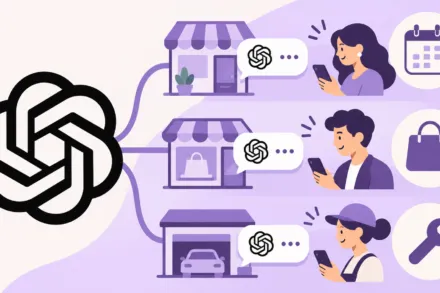
OpenAI began rolling out ChatGPT Wallet in the United States on November 13, 2026. Its AI agents can buy goods once users approve payment, the company says.
Built with American Express, Mastercard and Visa, the wallet starts with US ChatGPT Pro users aged 18 and over. They need a supported US-issued card. OpenAI says agents get replacement card details. The agent and seller do not see the real ones.
How ChatGPT Wallet payments work
According to OpenAI, users check the goods, total and chosen card. They then approve payment with a security check. The payment network then supplies a token: replacement card details linked to the selected card. Users keep their card rewards and protections for eligible disputes.
OpenAI’s Help Center says Wallet works in chats with a dot, its AI assistant. It does not work in Chat, Work or standalone Codex threads. Users need a supported device to approve payment through a face or fingerprint check, such as Face ID or Touch ID.
The same guidance says users cannot add debit or virtual cards at launch. Wallet stores cards apart from the method used to pay for ChatGPT itself. Access rolls out in stages, so some users will have to wait.
What a payment token protects
Payment standards body EMVCo says EMV payment tokens stand in for a real card number. These tokens can be limited to a set device, seller or use. These limits make stolen card data less useful.
OpenAI’s ChatGPT Wallet privacy notice explains what shopping data the firm gets. It says a service provider takes full card details through a secure form. OpenAI gets a payment token and some card data. It does not get the full credit card number or security code.
The notice also lists the seller, price, goods and shipping details among the data it collects. It keeps a record of payment approvals too. It says OpenAI does not sell Wallet information or share it for targeted advertising. So hiding the card number does not hide shopping data from OpenAI.
Approval, orders and recurring charges
The Help Center draws a line between payment approval and a placed order. Its “Ready to check out” message means the user has approved payment. It does not mean the seller has placed the order. OpenAI says to check for the seller’s order notice before trying again if the result is unclear.
It also says sellers can charge again under a repeat-payment plan the user agreed to. Deleting a card from Wallet does not stop those charges or cancel placed orders. Users must ask the seller to manage them.
What comes next for ChatGPT Wallet
OpenAI’s launch guidance directs sellers to business profiles in ChatGPT and product feeds. It says sites and payment systems may still block valid agent purchases.
The company plans to let agents buy within limits set by users, such as spending caps. That is a future goal; the launch requires purchase approval.
Sources: OpenAI announcement, OpenAI Help Center, OpenAI privacy notice, EMVCo