US midterm elections take place on November 3, 2026, the date set out in the Federal Election Commission’s calendar. Voters choose members of Congress, with control of both chambers at stake, AP reports.
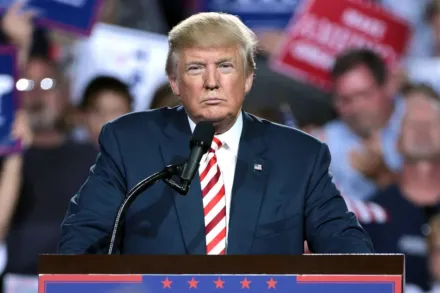
Republicans entered Election Day seeking to keep control of the House and Senate, AP reports. Democrats want to win both chambers. AP says that would help them push back against President Donald Trump’s plans in his final two years in office.
What US midterm elections decide
Midterms take place halfway between votes for president, says USAGov, the federal public information service. Its guide says all House seats come up for election every two years. Senate terms end in different years, as the table shows.
| Chamber | Total seats | Regular term | Regular election cycle |
|---|---|---|---|
| House of Representatives | 435 | Two years | Every seat, every two years |
| Senate | 100 | Six years | About one-third of seats every two years |
Source: USAGov
Data as of: 2026-10-06
Every House seat comes up for election every two years; Senate elections are staggered.
Each state elects two senators, USAGov says. Some states have no Senate race in a given midterm year. The table shows how terms work, not the number of races on the 2026 ballot.
State and local ballots also vary, USAGov says. The choices depend on where voters live and which offices are up for election. They may include governors, state lawmakers, mayors or judges. Voters can also pass or reject proposed laws through ballot measures.
Why control of Congress matters
Congress drafts federal laws and reviews the budget, USAGov says. The president can reject a bill with a veto. The Senate also votes on the president’s picks for Cabinet posts and Supreme Court seats.
USAGov calls these powers checks and balances: each branch can respond to acts by the others. US midterm elections help decide who will use those powers in Congress. That includes who gets to vote on the president’s picks for top jobs.
Federal oversight and voting rights
The Justice Department said it would send about 1,000 election monitors and observers to all 50 states on November 3. It called this its first such effort to reach every state. The department says the teams protect voting rights. Its Civil Rights Division leads the work.
California Governor Gavin Newsom raised a separate concern in a letter to judges on October 31. He said seizing ballots and voting records could disrupt the count. He knew of no pending election-related warrant request in the California federal district courts he addressed. Likiweeks has covered Newsom’s warning about election search warrants.
How election results become final
Election-night totals are not final, the US Election Assistance Commission says. That is true even when all precincts have reported results. A news outlet may call a race for a candidate. But its call is not the official result.
Staff then complete a canvass, the commission says. This means checking and adding up all valid votes, from mail and early voting to Election Day and provisional ballots. Certification formally confirms the final count.
State laws set the rules and deadlines, the commission says. Audits and any required recounts can also affect how long the work takes. State and local election offices provide the official results and dates for the final sign-off.
Sources: FEC election calendar, USAGov congressional elections, USAGov government branches, USAGov state and local elections, US Election Assistance Commission, US Justice Department, Newsom letter, AP via Local 10